
The Thrill of Risk
High-stakes casino gambling often attracts individuals seeking adrenaline and excitement. The thrill of taking significant financial risks can create a sense of exhilaration, tapping into psychological processes associated with reward and pleasure. This excitement stems from the unpredictable nature of gambling, where the potential for large wins can overshadow the reality of potential losses. In this context, engaging in offshore online gambling can further amplify these feelings of excitement and risk.
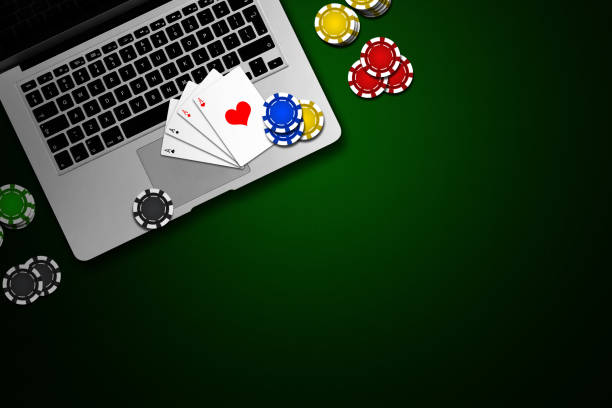
Moreover, the high-stakes environment heightens emotional responses. Gamblers may experience a rush of endorphins as they place bets, leading to a state of heightened arousal. This biochemical reaction reinforces the behavior, making the act of gambling more appealing and stimulating, which can lead to a cycle of repetitive high-stakes betting.
The Role of Cognitive Bias
Cognitive biases significantly influence the decision-making processes of gamblers. Many individuals believe they possess a skill or insight that gives them an edge, often ignoring the inherent randomness of games such as poker or blackjack. The illusion of control can lead to overconfidence, causing players to take greater risks than they might otherwise consider.
Additionally, the concept of ‘near-misses’ plays a vital role in reinforcing gambling behavior. When players come close to winning, their brains may react as though they have been successful, thereby creating a false sense of validation. This cognitive distortion can perpetuate gambling, as players may continue to chase these ‘almost’ victories, hoping for a successful outcome that seemingly looms just out of reach.
The Social Aspect of Gambling
Casino environments are often vibrant and lively, filled with social interactions that enhance the overall gambling experience. For many, high-stakes gambling serves not only as a personal challenge but also as a social event. Engaging with others in this setting can create a feeling of belonging and community, which can be psychologically rewarding.
This social dynamic can further fuel gambling behavior, as individuals may feel pressured to participate in high-stakes games to maintain their social status among peers. The fear of missing out (FOMO) can drive them to make riskier bets, often leading to financial consequences that they might not have considered in isolation.
Emotional Regulation and Escape
For some, high-stakes gambling serves as a form of emotional regulation or escape from everyday stressors. The casino environment can provide a distraction from life’s challenges, allowing individuals to immerse themselves in a different reality. Gambling can offer a temporary reprieve, filled with excitement and potential rewards, which might be appealing to those facing personal struggles.
However, this reliance on gambling as a coping mechanism can lead to problematic behaviors. When individuals turn to high-stakes gambling to alleviate emotional distress, they may find themselves caught in a cycle of dependency, where gambling becomes their primary method for managing stress and anxiety. This can have detrimental effects on their mental health and overall well-being.

About PowEntertainment.com
PowEntertainment.com is dedicated to exploring various aspects of gambling, including the psychological implications of high-stakes casino activities. Our aim is to provide valuable insights that deepen the understanding of this complex phenomenon. We prioritize the safety and security of our users, ensuring that browsing experiences are protected against online threats.
If you encounter any issues while accessing our content, we encourage you to reach out for assistance. We are committed to resolving access restrictions promptly to enhance your journey into the fascinating world of casino gambling and its psychological underpinnings.